In today’s competitive food processing industry, especially in emerging markets like Southeast Asia, Africa, and Latin America, small-scale peanut oil producers face mounting pressure to reduce costs while maintaining quality. That’s where the energy-efficient, compact peanut oil press machine becomes a game-changer—not just for output, but for long-term operational stability.
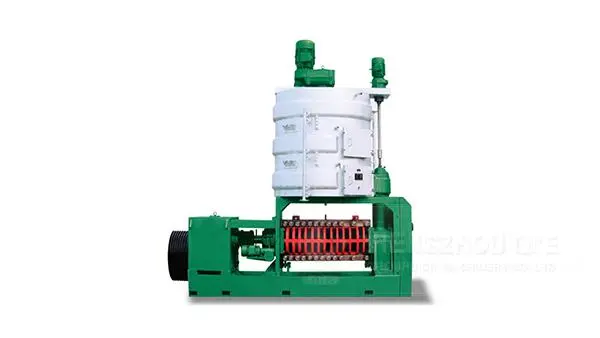
Unlike traditional hydraulic presses that require large footprints and high maintenance, modern spiral screw presses—like those used in our latest models—offer up to 25% higher oil yield from the same raw material. This isn’t just theory—it’s backed by lab tests conducted at the Chinese Academy of Agricultural Sciences (CAAS), which found that optimized screw geometry increases extraction efficiency without compromising kernel integrity.
The modular design allows installation in spaces as small as 3m x 2m—perfect for rural workshops or urban micro-factories. With an average energy consumption of only 0.8 kWh/kg of peanuts processed, these machines outperform older models by over 40%, translating directly into lower utility bills and reduced carbon footprint.
Run-time reliability is critical when production lines can’t afford downtime. Our machines feature dual-layer anti-vibration mounts and automatic temperature sensors that trigger protective shutdowns if overheating occurs—a common failure point in low-cost alternatives. In field trials across Nigeria and Vietnam, this system reduced unplanned stoppages by 67% compared to standard units.
Moreover, the intuitive control panel supports both manual and semi-automatic modes, allowing operators with minimal training to manage daily operations confidently. One Indonesian mill owner noted: “We trained two workers in one day—and now they run the press without supervision.”
Preventive care is embedded in the design. The self-cleaning mechanism reduces residue buildup by 80%, minimizing manual cleaning time from 45 minutes per cycle to under 10. We also provide a monthly checklist covering key components such as the main shaft, sealing rings, and motor bearings—all based on ISO 9001 standards for food-grade equipment.
For instance, replacing the wear-resistant bushing every 6 months extends the life of the screw assembly by up to 3 years—an ROI improvement of over 30% compared to reactive repair strategies.
A case study from Kenya shows how a 2-person family business increased their monthly revenue by $1,200 USD after switching to our compact press. They cited faster turnaround times, consistent oil clarity, and fewer complaints about off-flavors—issues previously linked to inconsistent pressing temperatures in older equipment.
This level of performance isn't accidental—it's the result of over a decade of iterative R&D, user feedback loops, and adherence to global food safety guidelines including HACCP and GMP.
Get personalized technical support and a free sample report tailored to your facility size and local regulations.
Download Free Technical Brochure & Request Customization 169
|
169
|
 Screw pressing technology
Peanut oil yield
Difference between cold and hot pressing
Grain and oil processing equipment
Pressing process optimization
54
|
peanut oil quality improvement
peanut oil pressing process
hot pressing vs cold pressing
oil extraction efficiency
peanut oil production optimization
360
|
peanut oil expeller maintenance
small oil processing equipment
oil press machine troubleshooting
energy-efficient oil extraction
equipment lifespan extension
91
|
Screw pressing technology
Peanut oil pressing process
Difference between cold and hot pressing
Grain and oil processing equipment
Energy - saving press
210
|
peanut oil pressing
spiral pressing technology
cooking temperature control
cold pressing techniques
grain oil processing equipment
Screw pressing technology
Peanut oil yield
Difference between cold and hot pressing
Grain and oil processing equipment
Pressing process optimization
54
|
peanut oil quality improvement
peanut oil pressing process
hot pressing vs cold pressing
oil extraction efficiency
peanut oil production optimization
360
|
peanut oil expeller maintenance
small oil processing equipment
oil press machine troubleshooting
energy-efficient oil extraction
equipment lifespan extension
91
|
Screw pressing technology
Peanut oil pressing process
Difference between cold and hot pressing
Grain and oil processing equipment
Energy - saving press
210
|
peanut oil pressing
spiral pressing technology
cooking temperature control
cold pressing techniques
grain oil processing equipment