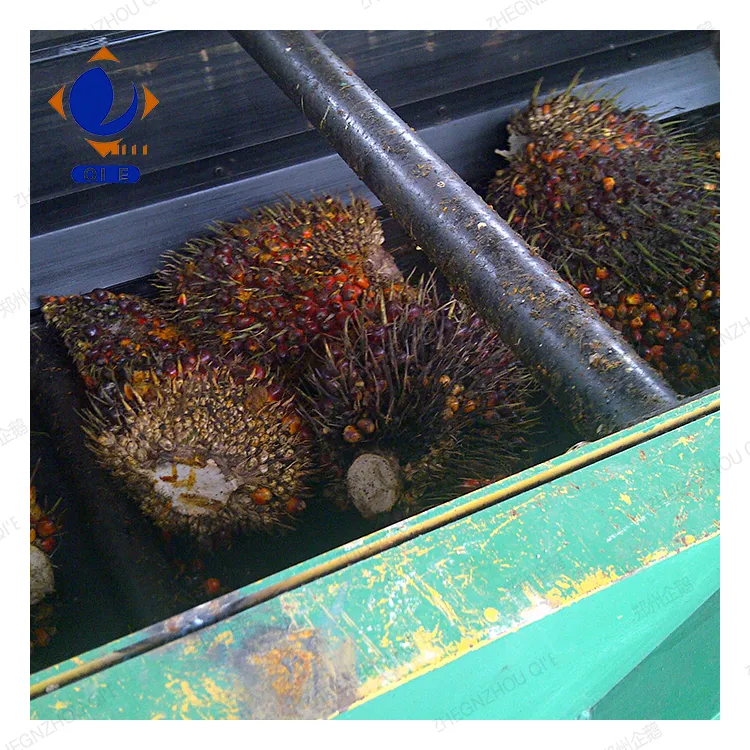
As a decision-maker or technical expert in the soybean oil production industry, selecting the right oil press machine is crucial for cost-efficient, high-yield operations. This guide from QIE Group dives into the key technical parameters—including daily processing capacity, energy consumption, and impurity removal effectiveness—empowering your enterprise to make informed choices that drive long-term profitability.
The core metric to evaluate when choosing an oil press is daily processing capacity, with top-performing machines handling anywhere from 30 to 1000 tons of soybeans per day. Selecting a model that closely matches your production volume ensures optimal efficiency and avoids energy waste.
Energy consumption is equally vital. Advanced energy-efficient presses can reduce power usage by up to 20% compared to conventional models. This translates to significant savings in operational expenditure over the lifecycle of the equipment. Look for oil presses rated at Energy Efficiency Level 2 or higher according to international standards.
“In our recent trials, incorporating high-efficiency presses with integrated magnetic separators reduced downtime by 15% while maintaining oil extraction rates above 90%.” — Technical Manager, Leading Soybean Processor
One often overlooked but critical feature in modern oil presses is the magnetic separator. Its role in extracting iron and other metallic impurities protects downstream equipment and guarantees oil purity—an essential quality parameter for export compliance.
QIE Group’s integrated magnetic separators boast a 95%+ efficiency rate in removing fine iron particles, as confirmed by independent lab testing, outperforming many competitors. This leads to less machine wear, fewer breakdowns, and minimal contamination risks.
Procurement decisions should factor in machine versatility. In addition to soybean oil, your production might diversify into processing sunflower seeds, peanut, or rapeseed. Equipment capable of handling multiple raw materials without compromising efficiency maximizes ROI and allows agile responses to market demand fluctuations.
QIE Group’s press models include adjustable parameters specifically designed to optimize performance across various oilseeds — a strategic advantage for enterprises aiming to future-proof their operations.
| Machine Model | Daily Capacity (tons) | Energy Consumption (kWh/ton) | Raw Material Adaptability |
|---|---|---|---|
| PG-Press 5000 | 500 | 18 | Soybean, Sunflower, Peanut |
| PG-Press 10000 | 1000 | 15 | Soybean, Rapeseed, Sunflower |
| PG-Press 2000 | 200 | 20 | Soybean only |
Global trade demands adherence to strict quality and safety standards. Your oil press should carry internationally recognized certifications such as ISO 9001 for quality management and CE marking to guarantee product safety and export readiness.
QIE Group’s manufacturing complies with these standards, ensuring machines not only deliver excellent performance but also meet customs and regulatory requirements for smoother cross-border transactions.
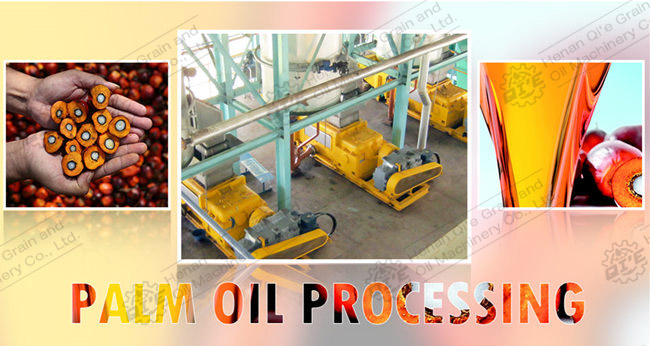
Efficient installation, operator training, and responsive technical support form the backbone of successful machine deployment and sustained productivity.
QIE Group offers a full-service support system including:
This end-to-end service minimizes downtime and optimizes your production line’s lifecycle value.

 277
|
277
|
 magnetic separation technology
soybean oil pressing
oilseed processing
impurity removal
energy-saving pressing machine
219
|
Small peanut oil press purchase guide
Input - output ratio of grain and oil processing equipment
Comparison of hot and cold pressing processes
Maintenance points of peanut oil pressing equipment
Equipment selection for small grain and oil processing plants
172
|
peanut oil screw press machine
cold press vs hot press
peanut oil quality improvement
small scale oil processing equipment
oil extraction rate optimization
54
|
peanut oil quality improvement
peanut oil pressing process
hot pressing vs cold pressing
oil extraction efficiency
peanut oil production optimization
311
|
industrial spiral oil press transportation
6YL-185 spiral hydraulic oil press installation
cross-border oil press deployment
spiral oil press on-site commissioning
oil press installation best practices
magnetic separation technology
soybean oil pressing
oilseed processing
impurity removal
energy-saving pressing machine
219
|
Small peanut oil press purchase guide
Input - output ratio of grain and oil processing equipment
Comparison of hot and cold pressing processes
Maintenance points of peanut oil pressing equipment
Equipment selection for small grain and oil processing plants
172
|
peanut oil screw press machine
cold press vs hot press
peanut oil quality improvement
small scale oil processing equipment
oil extraction rate optimization
54
|
peanut oil quality improvement
peanut oil pressing process
hot pressing vs cold pressing
oil extraction efficiency
peanut oil production optimization
311
|
industrial spiral oil press transportation
6YL-185 spiral hydraulic oil press installation
cross-border oil press deployment
spiral oil press on-site commissioning
oil press installation best practices