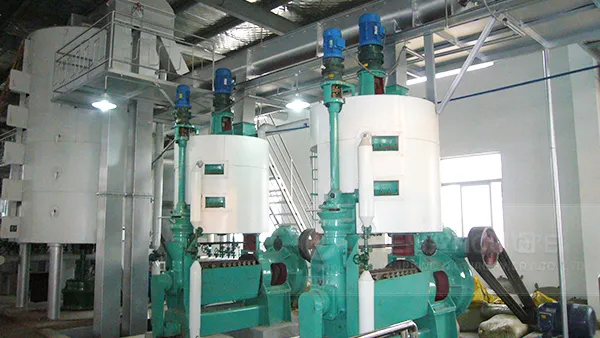
Selecting the right equipment for small to medium-sized oilseed processing factories requires a nuanced balance between production efficiency, operational stability, and long-term cost management. As industrial spiral oil presses emerge as a popular choice, understanding their core performance metrics—including oil extraction rate, throughput capacity, structural reliability, and energy consumption—is critical for informed procurement decisions.
"Since integrating the 6YL-185 spiral oil press, our plant has seen a consistent extraction efficiency above 95%, coupled with a noticeable reduction in downtime." – Plant Manager, Mid-sized Oilseed Processing Facility
The hallmark of an effective spiral oil press lies in its ability to deliver a high oil extraction rate. Modern machines often guarantee an extraction ratio exceeding 95%, substantially improving yield compared to older hydraulic or screw presses. In parallel, the production capacity per unit hour critically influences overall factory throughput, typically ranging from 500 to 1500 kilograms per hour for models like the 6YL-185, making them well-suited for mid-tier production demands.
Beyond these quantitative metrics, structural reliability remains a vital consideration to minimize breakdowns and maintenance costs. High-quality spiral presses conform to internationally recognized standards such as ISO 9001:2000, exemplifying adherence to robust manufacturing and quality control practices that underpin equipment longevity.
| Model | Extraction Rate (%) | Capacity (kg/hr) | Power Consumption (kW) | Certifications | Warranty & Support |
|---|---|---|---|---|---|
| 6YL-185 | ≥ 95% | 800 - 1200 | 18.5 | ISO 9001:2000 | 12 months, on-site service |
| 6YL-210 | 93%-95% | 1000 - 1500 | 22 | ISO 9001:2000 | 12 months, remote & on-site |
| 6YL-200 | 94%-96% | 900 - 1300 | 20 | ISO 9001:2000 | 12 months, on-site service |
With increasing emphasis on sustainability, selecting spiral oil presses that demonstrate low energy consumption is no longer optional. The typical power requirements range from 18 kW to 22 kW, which, when combined with efficient mechanical design, helps reduce operational costs. Moreover, these machines often incorporate features that lower noise levels and minimize oil residue discharge, aligning with eco-friendly manufacturing practices common in stricter regulatory environments.
Such green credentials not only fulfill compliance requirements but can improve corporate image and customer confidence in environmentally responsible product sourcing.
ISO 9001:2000 certification is widely recognized as a benchmark of product quality assurance. Buyers prioritizing investment security are advised to verify that proposed equipment adheres to this or equivalent standards, indicating comprehensive design validation and manufacturing control.
Equally important is the availability of robust after-sales service, including warranty periods typically spanning 12 months with options for on-site technical assistance. Reliable service networks can sharply reduce downtime risks, translating directly into a better return on investment for oil extraction facilities.
Decision-makers should weigh not only machine specifications but also vendor reputation and support capabilities to safeguard ongoing operational excellence.
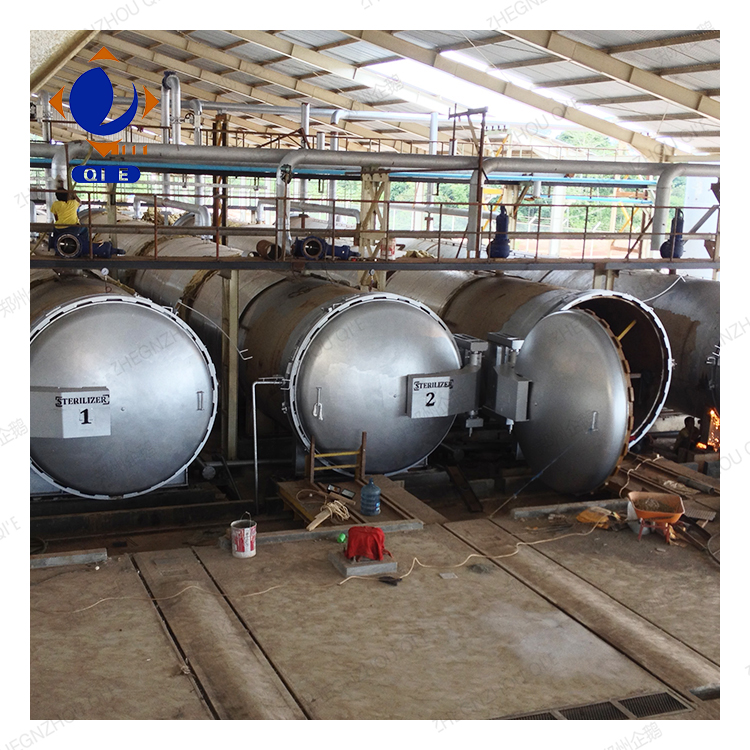
For enterprises pursuing stable output and sustainable operations, the adoption of proven spiral oil press models such as the 6YL-185 offers a balance of efficiency, reliability, and energy savings. Transparent comparison metrics and documented case studies can further validate performance expectations prior to capital commitment.
Integrating equipment meeting both international quality standards and tailored operational support ultimately empowers factories to optimize production lines while mitigating unforeseen costs.
 128
|
128
|
 industrial spiral oil press
oil press selection guide
pressing ratio efficiency
ISO9001 certification oil equipment
after-sales technical support
309
|
industrial spiral oil press transportation
6YL-185 spiral hydraulic oil press installation
cross-border oil press deployment
spiral oil press on-site commissioning
oil press installation best practices
industrial spiral oil press
oil press selection guide
pressing ratio efficiency
ISO9001 certification oil equipment
after-sales technical support
309
|
industrial spiral oil press transportation
6YL-185 spiral hydraulic oil press installation
cross-border oil press deployment
spiral oil press on-site commissioning
oil press installation best practices