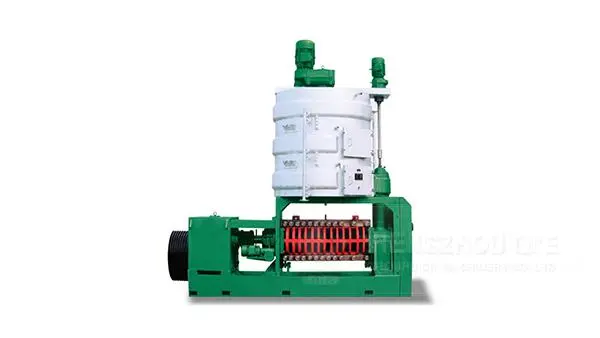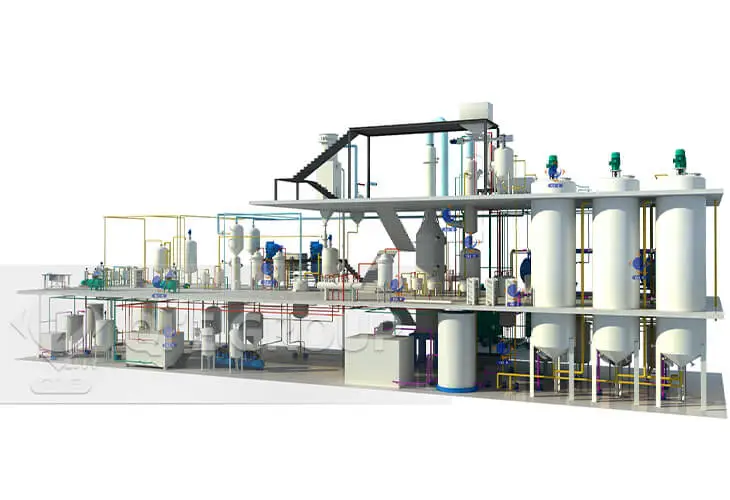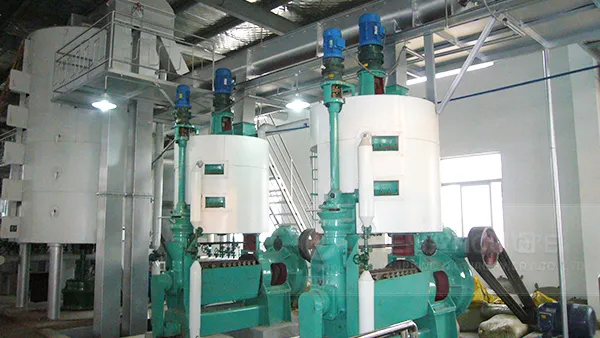
The challenge many small-scale peanut oil producers face is inconsistent flavor and low oil yield. This often stems from inefficiencies in oil extraction processes and equipment limitations. QIE Group’s state-of-the-art peanut oil pressing machines combine screw pressing technology with precise steaming control, delivering a dual-mode solution that adapts seamlessly to both hot and cold pressing methods. This integration optimizes the entire production chain—from raw material handling to final oil extraction—ultimately elevating product quality and operational efficiency.
The quality and aroma of peanut oil rely heavily on specific processing steps:
According to recent client data, adjusting steaming temperature from 105°C to 95°C reduced acid value by 0.2 while enhancing oil aroma intensity by nearly 15%. Such actionable insights highlight how precise parameter control directly impacts end-product excellence.
Deciding between hot and cold pressing profoundly affects oil characteristics, market positioning, and processing requirements. Below is a comparison summarizing key differences:
| Factor | Hot Pressing | Cold Pressing |
|---|---|---|
| Oil Yield | Higher (up to 48%) | Lower (around 35-38%) |
| Nutrient Retention | Moderate (some lost due to heat) | High (preserves antioxidants, vitamins) |
| Flavor Profile | Richer aroma, stronger roasted notes | Subtle, natural nutty flavor |
| Suitable Markets | Mass production, cost-sensitive segments | Premium, health-focused niche markets |
Integrating machines capable of switching between these two methods empowers producers to diversify product lines and meet varied consumer demands with the same equipment platform.

Long-term success depends not only on process optimization but also on equipment that delivers consistent performance with minimal downtime. QIE Group’s pressing units offer:
By emphasizing lifecycle cost savings and operational stability, producers safeguard their investments while improving product consistency.
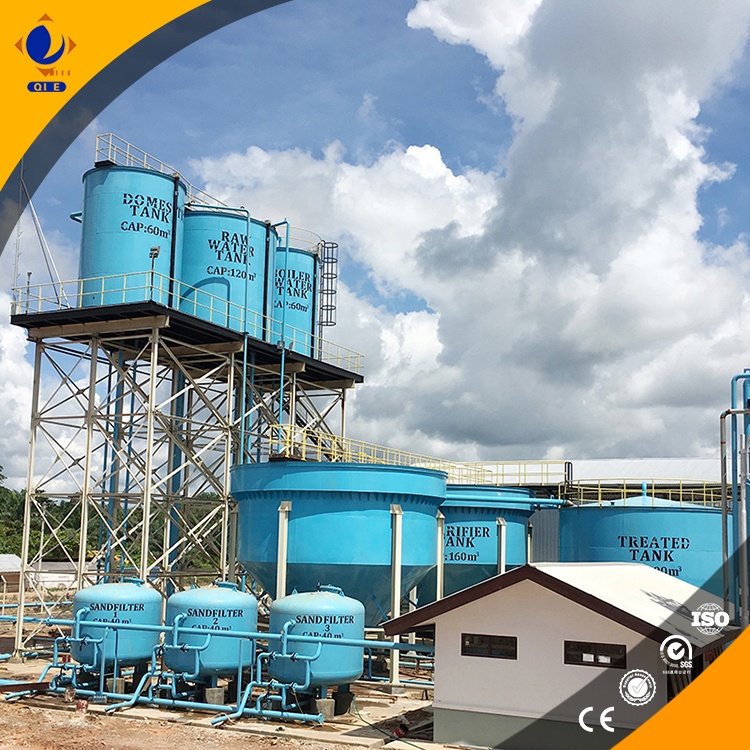
Operational improvements often come from precise monitoring and small adjustments prescribed by experienced technicians:
 131
|
131
|
 industrial spiral oil press
oil press selection guide
pressing ratio efficiency
ISO9001 certification oil equipment
after-sales technical support
310
|
industrial spiral oil press transportation
6YL-185 spiral hydraulic oil press installation
cross-border oil press deployment
spiral oil press on-site commissioning
oil press installation best practices
485
|
Peanut oil pressing technology
Hot and cold pressing comparison
Screw press
Grain and oil processing technology
Export peanut oil
109
|
small peanut oil press machine
peanut oil pressing technology
cold press vs hot press
oil extraction efficiency
equipment maintenance for oil mills
412
|
peanut oil processing technology
cold pressing vs hot pressing
peanut oil quality improvement
oil extraction equipment
pressing process optimization
industrial spiral oil press
oil press selection guide
pressing ratio efficiency
ISO9001 certification oil equipment
after-sales technical support
310
|
industrial spiral oil press transportation
6YL-185 spiral hydraulic oil press installation
cross-border oil press deployment
spiral oil press on-site commissioning
oil press installation best practices
485
|
Peanut oil pressing technology
Hot and cold pressing comparison
Screw press
Grain and oil processing technology
Export peanut oil
109
|
small peanut oil press machine
peanut oil pressing technology
cold press vs hot press
oil extraction efficiency
equipment maintenance for oil mills
412
|
peanut oil processing technology
cold pressing vs hot pressing
peanut oil quality improvement
oil extraction equipment
pressing process optimization