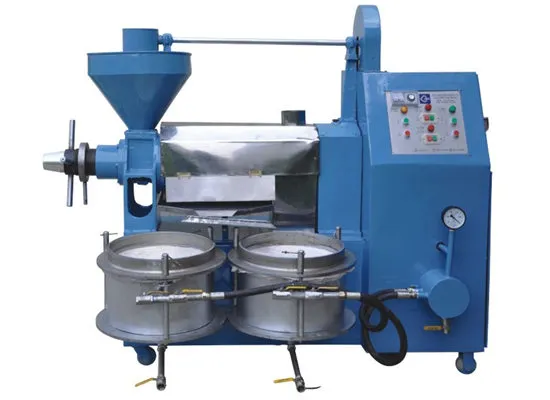
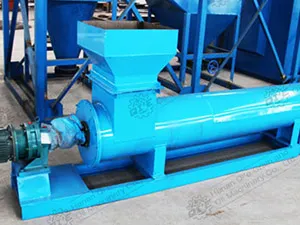
Industrial spiral oil press machines are critical assets in grain and oilseed processing factories, where downtime and costly repairs can severely impact operational efficiency. With escalating market demands for energy-efficient and low-maintenance equipment, understanding the engineering behind maintenance cost reduction becomes essential. This article from Penguin Group dives deeply into how durable screw shaft materials and integrated automatic lubrication systems significantly reduce wear and tear, resulting in lower operating costs and extended machine life.
At the heart of an industrial spiral oil press lies the screw shaft, a component subjected to immense friction and pressure during continuous operation. Choosing advanced wear-resistant alloys such as chromium-molybdenum steel blends, combined with surface hardening techniques such as nitriding, improves abrasion resistance by up to 45% compared to conventional carbon steel shafts. Structural optimization—including variable pitch design and reinforced cross-sections—ensures even pressure distribution and reduces localized stress concentrations.
These enhancements collectively extend the average failure-free interval of the screw shaft by 30–50%, minimizing unexpected replacements and maintenance interruptions. Such improvements align directly with reducing total maintenance expenses by an estimated 20-25% annually in mid-sized oil extraction facilities.
Traditional lubrication methods rely heavily on manual application, which risks inconsistency and missed intervals. Modern automatic lubrication systems (ALS) apply a controlled amount of lubricant at preset time intervals, ensuring constant and optimal lubrication across bearings and moving parts.
By integrating ALS into spiral oil press machines, operating plants have observed a 40% reduction in bearing failures attributable to insufficient lubrication. Furthermore, ALS reduces the labor time dedicated to maintenance by approximately 15%, freeing up staff to focus on production while decreasing human error.
The system’s closed-loop control prevents over-lubrication, avoiding excess grease buildup that can trap contaminants and accelerate wear. These factors collectively contribute to a more reliable and cost-effective maintenance regime.
Another maintenance challenge in industrial spiral presses is the ingress of impurities and oil leakage, which accelerates wear and threatens food safety. Advances in multi-stage lip seals and labyrinth sealing technologies have substantially enhanced the sealing effectiveness around critical shafts and bearings.
Modern sealing systems reduce contamination incidents by approximately 35%, contributing to a cleaner production environment and lowering the frequency of oil filter replacements by up to 25%. This improvement translates into fewer unscheduled downtimes and reduced operational risk.
Consistent daily cleaning routines are vital to prevent residue buildup that can impair spiral press efficiency. Dust and oil deposits on screens, bearings, and shafts should be removed using industry-recommended solvents and lint-free cloths.
Scheduled inspections focused on critical parts—such as monitoring bearing temperatures for early overheating signs, checking the integrity and tension of screw shafts, and assessing screen meshes for clogging—reduce fault occurrences by 30-40%. Using infrared thermometers during routine checks provides objective temperature data to foresee failures.
.jpg)
An analysis of two similar-sized grain processing facilities highlights the impact of maintenance discipline on operational uptime:
.jpg)
To maximize maintenance efficiency, Penguin Group recommends assembling a basic toolkit including:
Utilizing checklists minimizes overlooked tasks and standardizes process training, resulting in fewer maintenance errors and improved machine reliability.
 146
|
146
|
 Peanut oil cold pressing process
Peanut oil hot pressing process
Screw pressing technology
Peanut oil pressing equipment
Grain and oil processing technology optimization
277
|
magnetic separation technology
soybean oil pressing
oilseed processing
impurity removal
energy-saving pressing machine
449
|
oil press operation guide
magnetic separator usage
energy-saving oil press maintenance
grain and oil processing equipment
oil press troubleshooting
91
|
Screw pressing technology
Peanut oil pressing process
Difference between cold and hot pressing
Grain and oil processing equipment
Energy - saving press
167
|
Small peanut oil press
Grain and oil processing equipment purchase
Equipment maintenance skills
Input - output ratio evaluation
Energy - saving and environmental - friendly press
Peanut oil cold pressing process
Peanut oil hot pressing process
Screw pressing technology
Peanut oil pressing equipment
Grain and oil processing technology optimization
277
|
magnetic separation technology
soybean oil pressing
oilseed processing
impurity removal
energy-saving pressing machine
449
|
oil press operation guide
magnetic separator usage
energy-saving oil press maintenance
grain and oil processing equipment
oil press troubleshooting
91
|
Screw pressing technology
Peanut oil pressing process
Difference between cold and hot pressing
Grain and oil processing equipment
Energy - saving press
167
|
Small peanut oil press
Grain and oil processing equipment purchase
Equipment maintenance skills
Input - output ratio evaluation
Energy - saving and environmental - friendly press