For small and medium-sized edible oil processors around the world, selecting a reliable peanut oil press machine isn’t just about buying equipment—it’s an investment in operational efficiency, product quality, and long-term profitability. According to industry data from the International Association of Food Processing Equipment (IAFPE), over 68% of SMEs that upgraded to compact, energy-efficient presses saw a 25–40% improvement in throughput within six months.
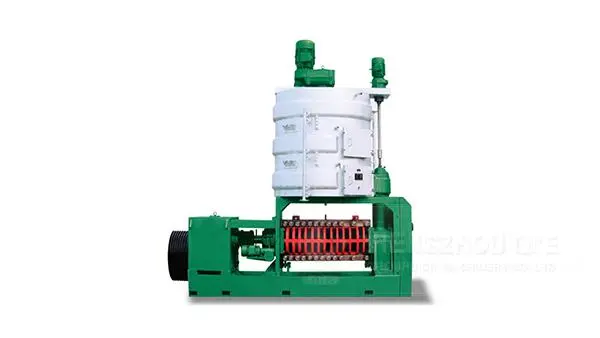
Modern small-scale peanut oil presses are engineered with space-saving designs tailored for urban or rural processing units where floor area is limited. For example, the average footprint of a high-efficiency model like those offered by Qiong Group is only 1.2m x 0.8m—about 30% smaller than older models. This allows more flexibility in layout planning and reduces infrastructure costs for new facilities.
Moreover, compact machines often feature modular construction, making installation faster and maintenance easier. In Nigeria, one cooperative using such a system reduced downtime by 45% after switching from traditional screw presses to modern hydraulic ones—thanks to simplified part replacement and better access points.
The true value of any press lies not just in its initial cost but in how efficiently it operates over time. Industry benchmarks show that compliant machines meeting ISO 9001 standards consume up to 20% less electricity per kilogram of oil produced compared to non-certified alternatives.
Our clients in Vietnam report consistent output stability—even during peak harvest seasons—because these presses maintain optimal pressure control via digital feedback systems. That means fewer fluctuations in yield, cleaner extraction, and higher-grade oil that meets EU and GCC food safety requirements.
Preventive care is critical. Based on field studies across Southeast Asia and East Africa, regular cleaning of the pressing chamber and lubrication of moving parts can extend a machine’s lifespan by up to 7 years beyond standard expectations.
Here’s a simple maintenance schedule recommended by our technical team:
These steps reduce unexpected breakdowns and ensure compliance with international hygiene standards—a must for exporters targeting markets like the Middle East and Europe.
When calculating return on investment (ROI), consider both direct savings (electricity, labor) and indirect gains (product consistency, customer trust). A typical small peanut oil press used in Ghanaian cooperatives generates a payback period of 10–14 months when operating at full capacity daily.
With proper training and support, even first-time users can achieve this level of performance. Our global service network includes remote diagnostics, video tutorials, and on-site technician visits—all covered under our comprehensive warranty program.
We help businesses worldwide choose the right peanut oil press based on their specific needs—from raw material type to target market specifications. No matter your location or scale, we provide technical guidance, local language support, and post-sale excellence you can count on.
Explore Qiong Group's Premium Small Oil Press Solutions 131
|
131
|
 spiral pressing technology
peanut oil yield optimization
cold press vs hot press
small scale oil extraction
peanut oil quality improvement
273
|
Screw pressing technology
Peanut oil pressing process
Difference between hot and cold pressing
Small peanut oil press
Grain and oil processing equipment
360
|
peanut oil expeller maintenance
small oil processing equipment
oil press machine troubleshooting
energy-efficient oil extraction
equipment lifespan extension
39
|
small peanut oil press machine
oil press machine for small factories
energy-efficient oil press
peanut oil cold pressing
compact oil processing equipment
359
|
Peanut oil screw press
Peanut oil pressing process
Difference between hot and cold pressing
Grain and oil processing equipment
Oil yield improvement
spiral pressing technology
peanut oil yield optimization
cold press vs hot press
small scale oil extraction
peanut oil quality improvement
273
|
Screw pressing technology
Peanut oil pressing process
Difference between hot and cold pressing
Small peanut oil press
Grain and oil processing equipment
360
|
peanut oil expeller maintenance
small oil processing equipment
oil press machine troubleshooting
energy-efficient oil extraction
equipment lifespan extension
39
|
small peanut oil press machine
oil press machine for small factories
energy-efficient oil press
peanut oil cold pressing
compact oil processing equipment
359
|
Peanut oil screw press
Peanut oil pressing process
Difference between hot and cold pressing
Grain and oil processing equipment
Oil yield improvement