In the global edible oil market, peanut oil holds a significant position due to its unique flavor and nutritional value. The choice between cold - pressed and hot - pressed processes can greatly affect the quality and market demand of peanut oil. This article delves into the core differences between these two processes and their implications for the international market.
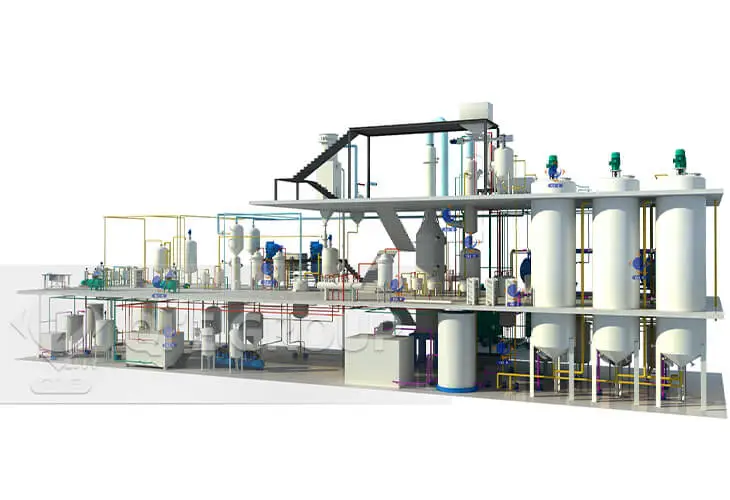
The production of peanut oil involves a series of steps from raw material cleaning to pressing. Starting with raw material cleaning, high - quality peanuts are selected to ensure the initial quality of the final product. After cleaning, the peanuts are crushed to increase the surface area for subsequent processing. The key step is the cooking process, which greatly influences the flavor and quality of the peanut oil.
In the cold - pressing process, the cooking temperature is strictly controlled below 60°C. This low - temperature approach helps to preserve most of the nutrients in peanuts, such as vitamin E and unsaturated fatty acids. However, the oil yield is relatively low, usually around 30% - 35%. On the other hand, the hot - pressing process uses a higher cooking temperature, typically between 120°C - 180°C. This high - temperature cooking can enhance the aroma of peanut oil but may cause some loss of nutrients. The oil yield in the hot - pressing process is higher, reaching about 40% - 45%.

Let's look at some actual data to understand the differences between cold - pressed and hot - pressed peanut oil. In terms of aroma, hot - pressed peanut oil has a stronger and more intense nutty smell, which is favored by consumers in some Asian markets. Cold - pressed peanut oil, however, has a milder and more natural aroma, appealing to health - conscious consumers in Western markets.
Regarding acid value, a key indicator of oil quality, cold - pressed peanut oil usually has a lower acid value, around 0.5 - 1.0 mg KOH/g, indicating better freshness and stability. Hot - pressed peanut oil may have a slightly higher acid value, about 1.0 - 1.5 mg KOH/g. But with proper process control, the acid value can be effectively reduced. For example, a Southeast Asian factory managed to reduce the acid value of its hot - pressed peanut oil by 0.2 mg KOH/g after adjusting the cooking temperature.
"After adjusting the cooking temperature according to the advice, our peanut oil's acid value decreased, and the product quality improved significantly, which also increased our sales in the local market." - A Southeast Asian Factory Manager
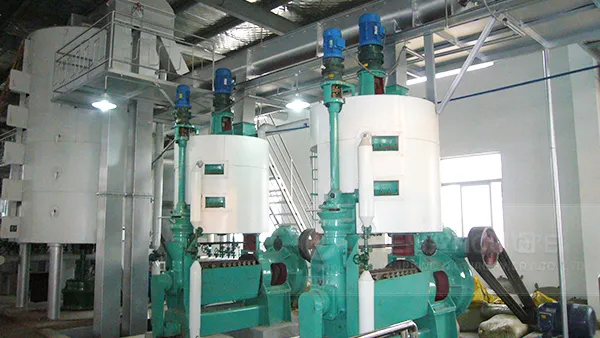
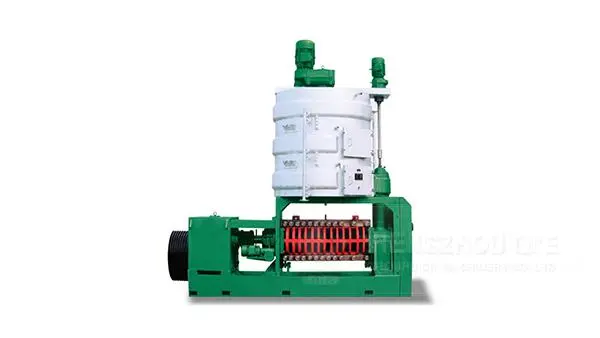
The choice of equipment is crucial for ensuring the stability of the peanut oil production process. For example, the Penguin screw press is a popular choice among many peanut oil manufacturers. This type of press can provide stable pressure and ensure a continuous and efficient pressing process. It can also be adjusted according to different production requirements, whether for cold - pressing or hot - pressing.
Different markets have different preferences for peanut oil. In some Western countries, consumers are more concerned about the nutritional value and naturalness of peanut oil, so cold - pressed peanut oil has a larger market share. In Asian countries, especially in China and India, consumers value the strong aroma of peanut oil, and hot - pressed peanut oil is more popular.
By understanding these market differences, peanut oil manufacturers can optimize their production processes. For example, they can produce a certain proportion of cold - pressed and hot - pressed peanut oil according to the market demand in different regions, thereby enhancing their product competitiveness and achieving maximum return on investment.
In conclusion, the choice between cold - pressed and hot - pressed peanut oil processes has a profound impact on product quality and market demand. By precisely controlling key parameters such as cooking temperature and material moisture, and selecting appropriate equipment, manufacturers can improve the quality of peanut oil and meet the diverse needs of the international market.
If you want to learn more about optimizing the peanut oil pressing process, you can get the 'Peanut Oil Pressing Process Optimization Manual' or book a consultation with our experts to enhance your professional confidence and competitiveness in the peanut oil market.

 210
|
210
|
 Small peanut oil press operation tutorial
Peanut oil press maintenance skills
Grain and oil processing equipment usage guide
Screw press installation steps
Cold and hot pressing process application
273
|
Screw pressing technology
Peanut oil pressing process
Difference between hot and cold pressing
Small peanut oil press
Grain and oil processing equipment
460
|
peanut oil pressing process
steaming parameter optimization
hot press vs cold press
peanut oil quality improvement
oil processing equipment
309
|
industrial spiral oil press transportation
6YL-185 spiral hydraulic oil press installation
cross-border oil press deployment
spiral oil press on-site commissioning
oil press installation best practices
134
|
Peanut oil screw press
Screw pressing equipment maintenance
Peanut oil extraction rate optimization
Comparison of hot - pressing and cold - pressing processes
Parameter adjustment of grain and oil processing equipment
Small peanut oil press operation tutorial
Peanut oil press maintenance skills
Grain and oil processing equipment usage guide
Screw press installation steps
Cold and hot pressing process application
273
|
Screw pressing technology
Peanut oil pressing process
Difference between hot and cold pressing
Small peanut oil press
Grain and oil processing equipment
460
|
peanut oil pressing process
steaming parameter optimization
hot press vs cold press
peanut oil quality improvement
oil processing equipment
309
|
industrial spiral oil press transportation
6YL-185 spiral hydraulic oil press installation
cross-border oil press deployment
spiral oil press on-site commissioning
oil press installation best practices
134
|
Peanut oil screw press
Screw pressing equipment maintenance
Peanut oil extraction rate optimization
Comparison of hot - pressing and cold - pressing processes
Parameter adjustment of grain and oil processing equipment