In the realm of peanut oil production, traditional pressing methods have long been plagued by inefficiencies. These methods often result in unstable oil yields and inconsistent oil quality. The low efficiency of traditional presses means that producers are constantly struggling to meet market demands while maintaining a high - quality product. For instance, some traditional presses may only achieve an oil yield of around 30 - 35%, which is far from optimal.
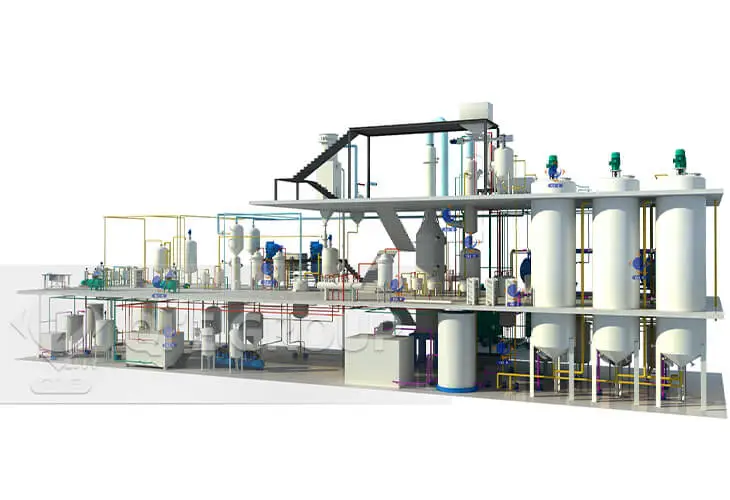
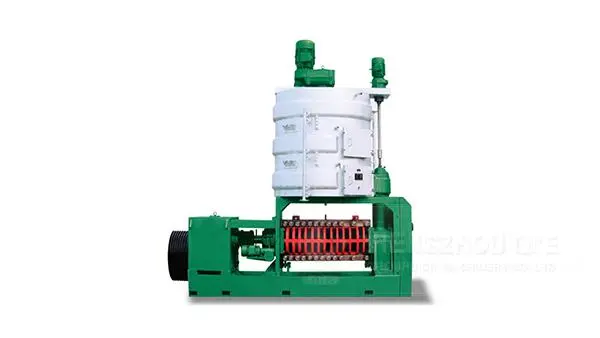
The screw pressing technology offers a revolutionary solution to these problems. It integrates the entire process from cleaning to pressing. First, the peanuts go through a cleaning process to remove impurities, which reduces the risk of contamination. Then, they are crushed into smaller pieces for better processing. After that, the crushed peanuts are steamed to make them more suitable for pressing. Finally, the screw press squeezes out the oil. This integrated process significantly reduces losses and contamination. The screw press can achieve a more stable and higher oil yield, potentially increasing it to 40 - 45%.
There are two main peanut oil pressing processes: cold - pressed and hot - pressed. The core differences between them lie in temperature control, flavor characteristics, nutrient retention, and equipment adaptability. In hot - pressing, high temperatures are used, usually above 120°C. This results in a faster oil - extraction process and a stronger flavor. However, the high temperature may cause some loss of nutrients. On the other hand, cold - pressing is carried out at lower temperatures, typically below 60°C. This process retains more nutrients and offers a purer taste. A bar chart can be used to visually compare the oil yields and nutrient retention rates of the two processes, making it easier for readers to understand the differences.
The choice between cold - pressed and hot - pressed peanut oil depends on the application scenario. Cold - pressed peanut oil is ideal for high - end health - conscious restaurants and organic food production. Its pure taste and high nutrient content make it a favorite among consumers who value health and quality. Hot - pressed peanut oil, with its strong flavor, is more suitable for home cooking and large - scale commercial use, such as in food processing factories. An information chart can be embedded here to show the temperature curves during the steaming process of each method, providing a clearer picture of the technical details.
For practical operation, controlling the moisture content of the raw materials is crucial. The optimal moisture content for peanut pressing is around 8 - 10%. Matching the screw pitch and rotation speed is also important to ensure efficient pressing. When the screw rotates too fast, it may cause excessive wear and tear, while a too - slow rotation speed may lead to low oil yields. Additionally, being aware of common problems such as screw wear is essential. A wear - warning system can be set up to ensure timely maintenance.
Under the guidance of green manufacturing policies, energy - saving and consumption - reducing process upgrades are becoming a trend in the peanut oil industry. Producers are looking for ways to further optimize their processes to meet environmental requirements while maintaining high - quality production. This may involve using more energy - efficient equipment and adjusting process parameters to reduce energy consumption.
In conclusion, understanding the differences between cold - pressed and hot - pressed peanut oil processes and the advantages of screw pressing technology is essential for peanut oil producers. Whether you are a technical expert or a manager in a grain and oil enterprise, making the right choice can help you improve oil yields and product quality. If you want to learn more about peanut oil pressing technology and get a process optimization manual, please click here.
 210
|
210
|
 Small peanut oil press operation tutorial
Peanut oil press maintenance skills
Grain and oil processing equipment usage guide
Screw press installation steps
Cold and hot pressing process application
192
|
peanut oil pressing equipment
hot pressing vs cold pressing
peanut oil quality improvement
grain and oil processing technology
small-scale oil press machines
61
|
Peanut oil screw pressing
Oil yield improvement
Hot pressing and cold pressing
Grain and oil processing equipment
Screw pressing technology
443
|
screw press equipment
peanut oil processing
hot press vs cold press
oil mill optimization
screw press selection
427
|
Screw pressing technology
Peanut oil press
Grain and oil processing equipment
Hot and cold pressing processes
Energy-saving pressing technology
Small peanut oil press operation tutorial
Peanut oil press maintenance skills
Grain and oil processing equipment usage guide
Screw press installation steps
Cold and hot pressing process application
192
|
peanut oil pressing equipment
hot pressing vs cold pressing
peanut oil quality improvement
grain and oil processing technology
small-scale oil press machines
61
|
Peanut oil screw pressing
Oil yield improvement
Hot pressing and cold pressing
Grain and oil processing equipment
Screw pressing technology
443
|
screw press equipment
peanut oil processing
hot press vs cold press
oil mill optimization
screw press selection
427
|
Screw pressing technology
Peanut oil press
Grain and oil processing equipment
Hot and cold pressing processes
Energy-saving pressing technology